An Expert Guide to Pre- and Post-Procedure Skincare

Words by Maya Avram


The popularity of in‑clinic treatments is on the rise. McKinsey observes growing consumer acceptance of aesthetic medicine, while the International Society of Aesthetic Plastic Surgery reports that non‑invasive procedures now account for more than half of the global market. As minimal‑downtime tweakments move firmly into self-care territory, the question is no longer if you’ll seek treatment, but when. And so, understanding how to prepare and restore your skin is essential. “Healthier, more resilient skin will respond better to treatment and recover more efficiently,” says Dr Yannis Alexandrides, co‑founder of 111Skin.


Our expert guide breaks down exactly what to do before and after your procedure to help you prep, protect and heal for the best possible results.

Pre-Treatment: Prep and Protect

In the lead‑up to your treatment, the focus is on nourishing the skin with essential nutrients, protecting it from environmental stressors, and preserving moisture levels and collagen reserves to support healing. “A compromised or inflamed complexion increases the risk of irritation, prolonged downtime, infection and post-inflammatory hyperpigmentation – particularly in skin of colour,” says Dr Nora Jaafar, cosmetic dermatologist and former NHS professional.


With this in mind, we’ve curated a simplified, consistent routine for the two weeks before your procedure, centring on a gentle, non‑stripping cleanser, barrier‑supportive care, and daily broad‑spectrum SPF.

Exclusive

A Gentle Cleanser

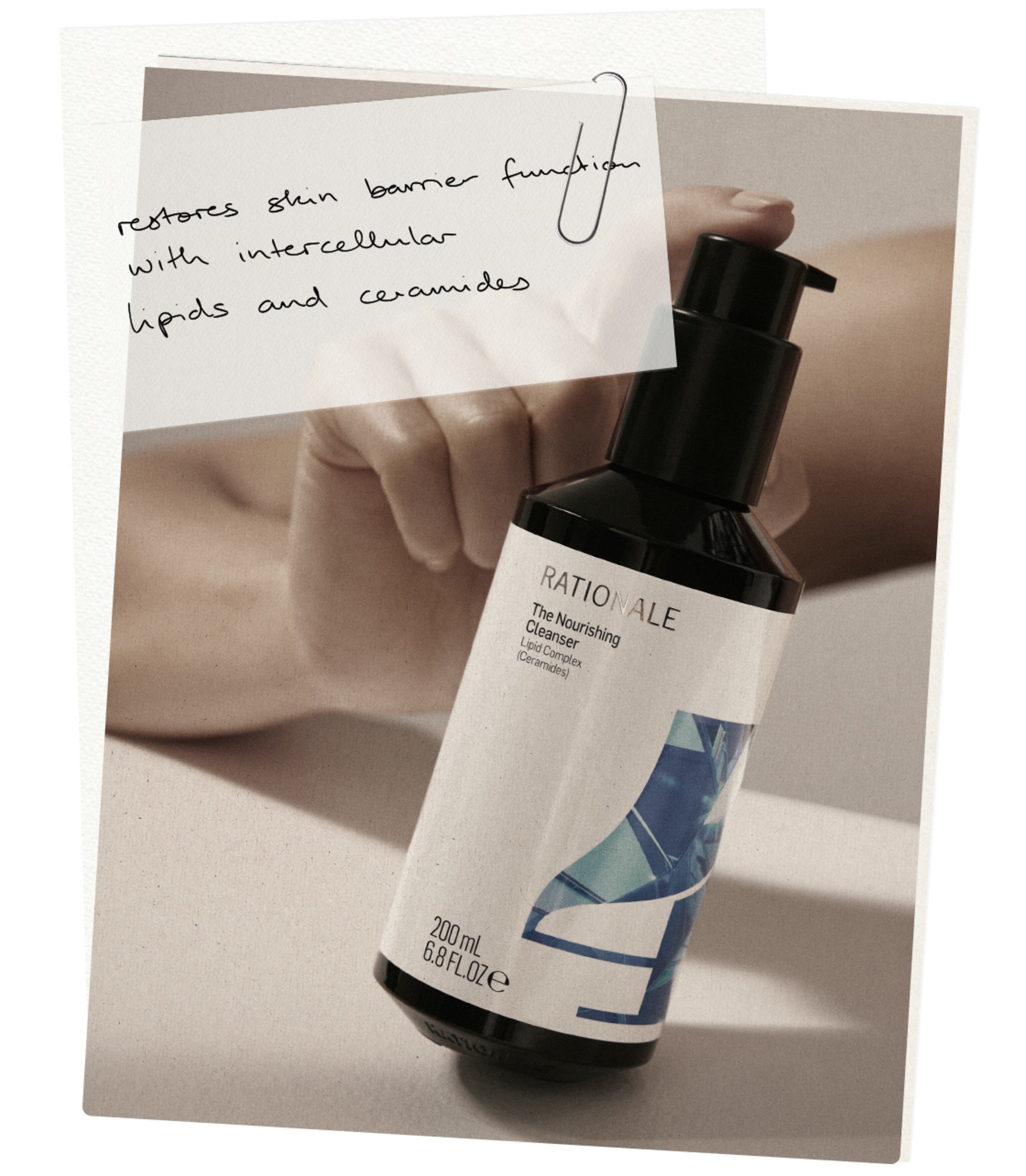
Rationale The Nourishing Cleanser


Prepping your skin for any treatment starts with creating the healthiest foundation possible: calm, hydrated and resilient. The first step? A gentle cleanser that removes impurities without compromising the skin barrier. Enter Rationale’s The Nourishing Cleanser, a luxe cream cleanser available exclusively at Harrods. Its velvety formula cushions the skin with multi-vitamin and lipid-ceramide complexes, plus sweet orange extract to fortify and replenish. Skin is visibly supple, soothed and nourished – perfectly primed for what’s next.
Shop Now

Barrier-Support Serums and Creams

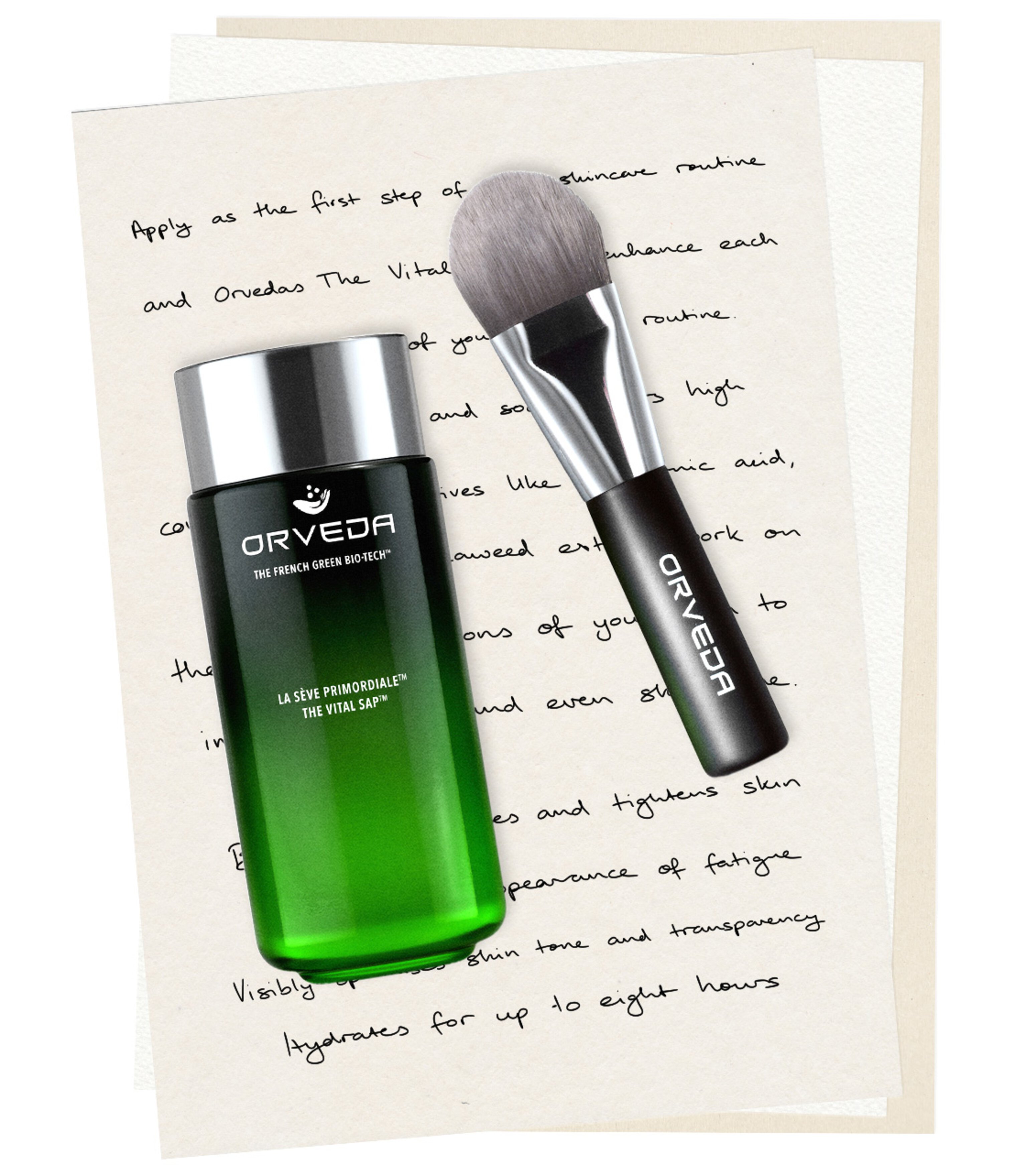
Orveda The Vital Sap


The lead‑up to any procedure is a time to nurture, replenish, and, crucially, protect the skin barrier. This is where toners, serums and creams become essential allies, helping to maintain hydration levels while keeping skin calm and resilient. Orveda’s award-winning The Vital Sap is a pre-skincare formula created with treated, compromised and sensitised skin in mind. Powered by a duo of hyaluronic acid molecules, botanical glycerine, papaya enzyme and seaweed extract, the highly concentrated treatment works to restore moisture reserves, support barrier integrity and keep skin balanced and comfortable, eliminating chance of stress ahead of visiting the clinic.
Shop Now

SPF

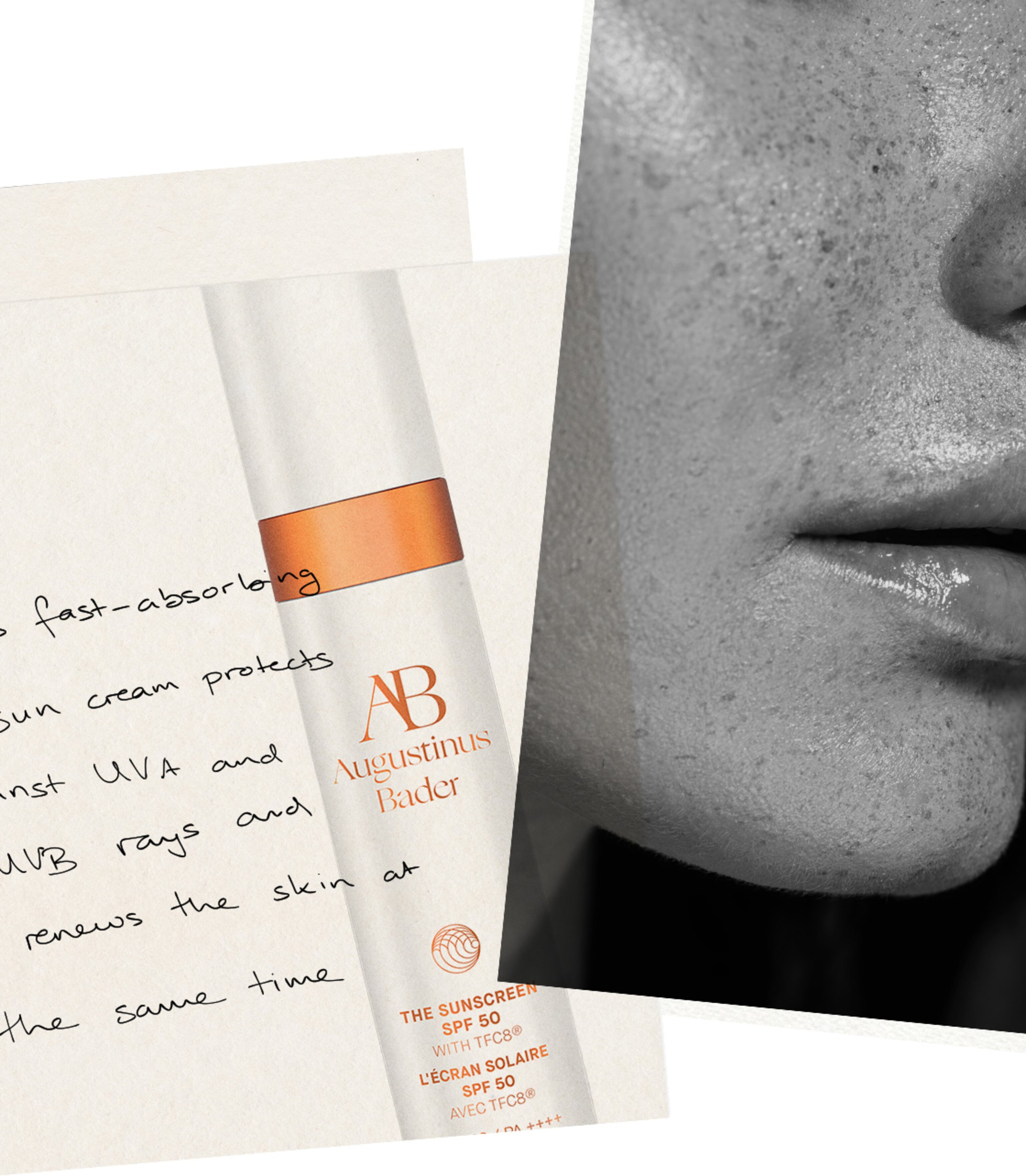
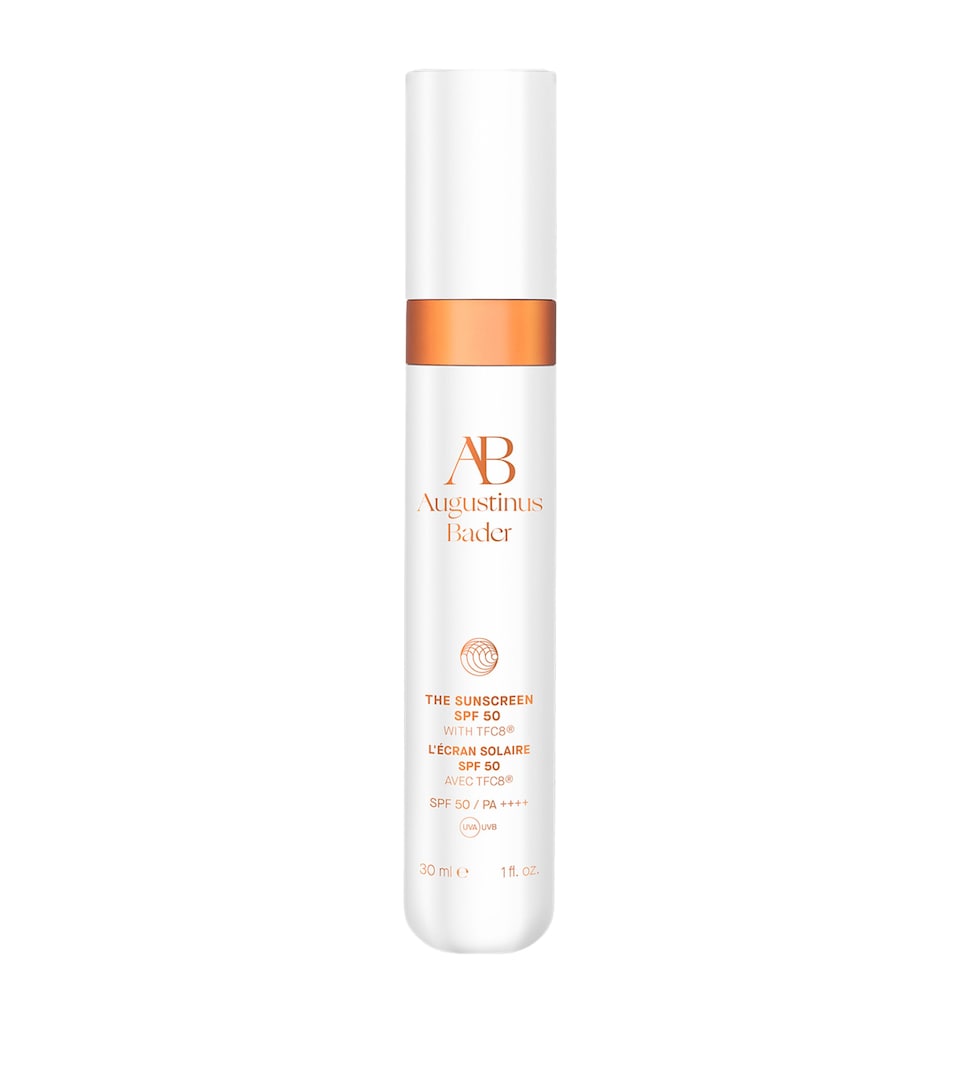
Augustinus Bader The Sunscreen SPF 50


By now, the importance of daily SPF is well understood – but it becomes non‑negotiable in the lead‑up to in‑clinic treatments. To prevent irritation, minimise inflammation and preserve the integrity of the skin barrier, professionals often advise opting for a mineral sunscreen, which relies on physical UV filters such as zinc oxide and titanium dioxide for broad‑spectrum defence. In this vein, The Sunscreen from Augustinus Bader is a top-tier choice, formulated with the brand’s proprietary TFC8 complex, which supports skin renewal while shielding it from harmful UVA and UVB rays.

Shop Now

Post-Treatment: Soothe and Restore

When skin is at its most vulnerable, the focus should shift to calm, comfort, and repair. “The goal at this stage is to support wound healing, reduce inflammation and prevent transepidermal water loss,” explains Dr Jaafar. This is the moment to pare back your routine to the bare essentials and prioritise barrier‑strengthening, reparative formulas over actives, so the skin has space to recover and rebuild.

A Recovery Cream

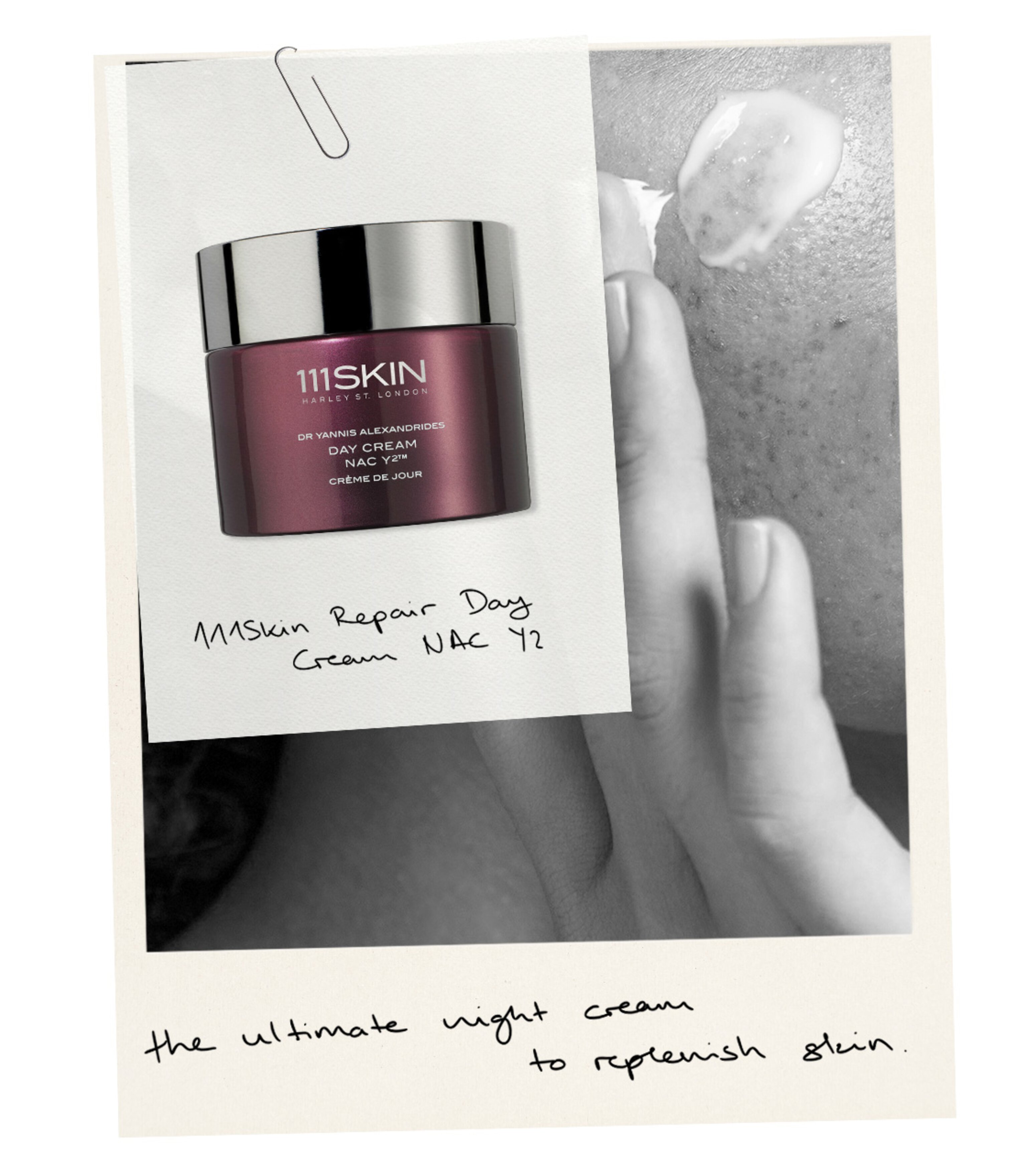
111Skin Repair Day Cream NAC Y²


More than hydration, post-treatment skin craves repair. 111Skin’s Repair Day Cream NAC Y², part of the brand’s Reparative Collection, was developed by Dr Yannis during his time in reconstructive surgery. Designed for sensitive, compromised skin, “Each product within the Reparative collection is focused on NAC Y², which I developed to support skin healing following trauma,” he explains. This proprietary complex combines N-acetylcysteine – a precursor to glutathione – with a stable vitamin C derivative and escin. Together, they work to reduce oxidative stress, calm inflammation, boost collagen production and strengthen the skin barrier, paving the way for smooth recovery.

Shop Now

Frequently Asked Questions

Whether preparing for or recovering from an in‑clinic procedure, Dr Yannis of 111Skin recommends prioritising formulas that support the skin barrier, deliver hydration and provide antioxidant protection. The key is to adjust both the intensity of your products and the actives on your roster according to the type of treatment. More invasive or energy‑based procedures typically call for pared‑back, repair‑focused care, whereas injectables often allow for a gentler return to targeted actives once skin has settled.


As always, any adjustments should be made in consultation with your treating physician.

Both before and after your procedure, Dr Jaafar recommends prioritising ingredients that actively support the skin barrier and healing response, including ceramides, glycerine, hyaluronic acid, panthenol, cholesterol and fatty acids. “Niacinamide can also be beneficial at low concentrations, as it improves barrier function and reduces inflammation,” she says.


Conversely, it’s best to avoid high‑strength actives such as retinoids, exfoliating acids, benzoyl peroxide and aggressive exfoliation in the days leading up to injectables, energy‑based devices or resurfacing treatments. “These ingredients can increase epidermal turnover and sensitivity, making skin hyper‑reactive and more prone to irritation, bruising or pigmentary change during treatment,” she explains.

“Following more intensive treatments, I advise maintaining a repair-only routine before gradually reintroducing active ingredients,” says Dr Yannis. As a guiding rule, hold off on actives until the skin has fully settled. Once any redness, sensitivity or disruption has resolved, they can be reintroduced gradually and in a treatment‑specific way as guided by your medical professional.

Related Stories

Exclusive Facials, Body & Wellness Treatments

Essentials to Repair and Restore Your Skin Barrier

Harrods Stories

Bringing you a weekly dose of everything from pro-approved beauty buys to the season's must-try trends