The Expert-Approved Tips from Dermatologists for Anti-Stress Skincare

Words by Anna Gosling

It’s no secret that the efficacy of our skincare routine is intrinsically linked to our biology. But what happens when our mood begins to influence it? Once considered a background factor, stress is now recognised as a key biological disruptor that can challenge skin health shifting how skin regulates inflammation, maintains its barrier and carries out its natural repair processes.

That’s why we’ve enlisted our little green book of leading
dermatologists to answer a more constructive question: how can you support skin during periods of stress? And no, the advice isn’t simply to “worry less”. Instead, we’re talking soothing, reparative formulas and habits designed to help skin restore balance and resilience. Read on for the experts’ key principles for supporting skin when stress takes its toll.

Calm the Skin’s Stress Response

Psychological stress can trigger an inflammatory response within the skin, as Qiang Qiu, vice president and education manager at Tatcha, explains. “First comes adrenaline, releasing cytokines which can lead to dryness, redness and sensitivity.” Stress also prompts the release of cortisol the body’s ‘fight or flight’ hormone, which can compound the effects of adrenaline.


When this combination of stress-induced hormones comes to the fore, the priority is to soothe rather than stimulate. Potent actives such as retinoids and aggressive exfoliants can amplify the skin’s response, making stress-related symptoms appear more pronounced.

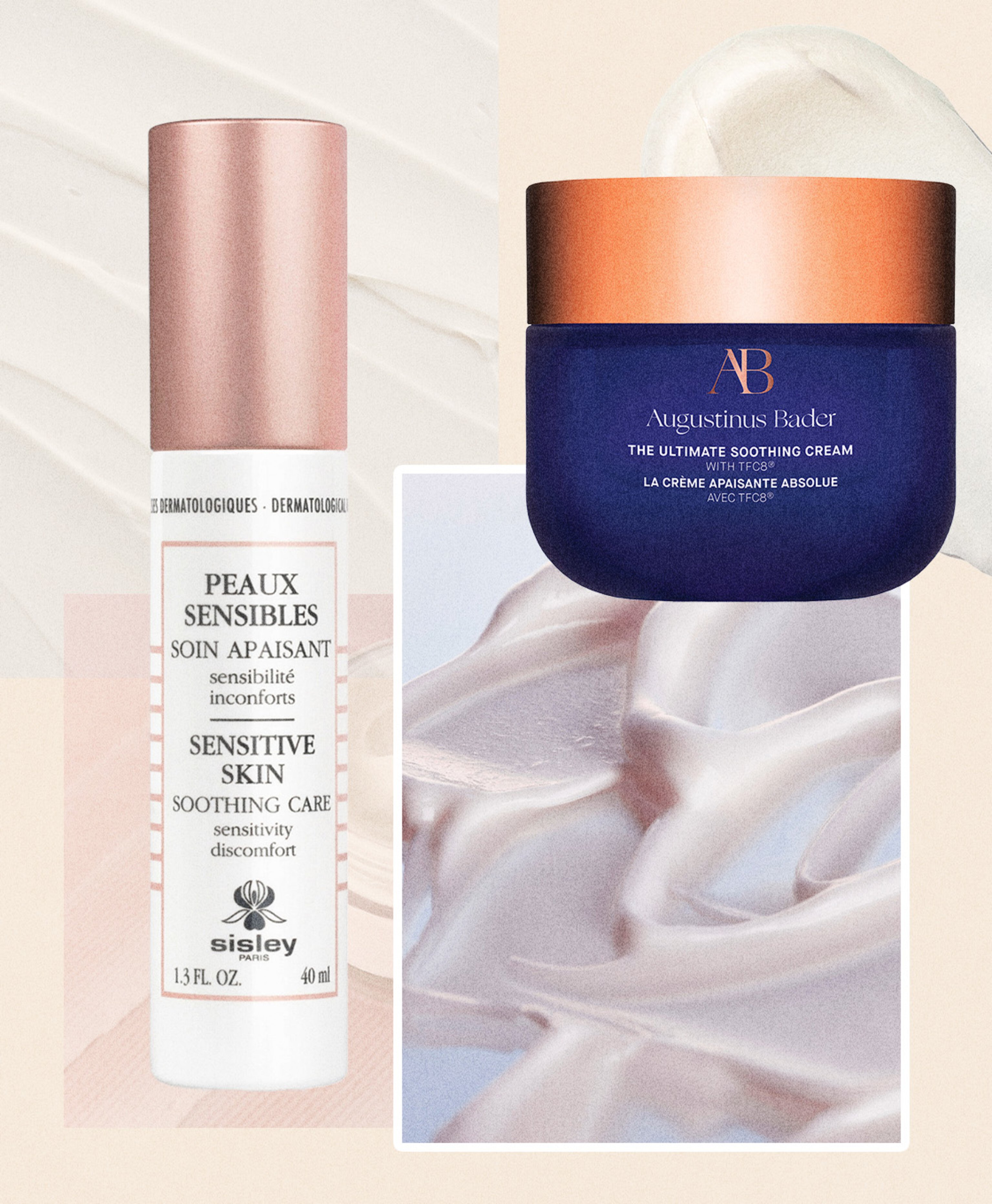
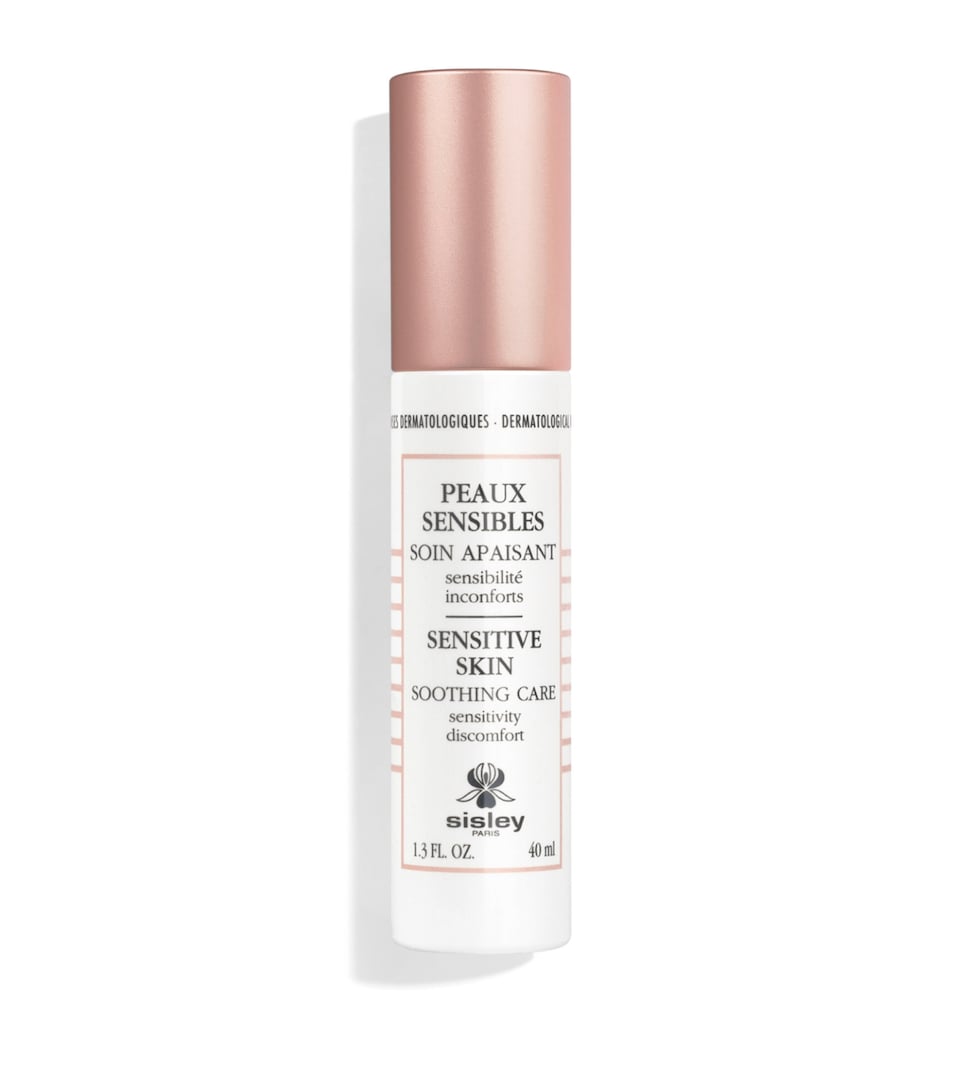
The good news is that skin is highly responsive to considered support. As Dr Ivy, expert in aesthetic medicine advises, “It’s important to prioritise ingredients like hyaluronic acid, glycerin and ceramides to support hydration, alongside anti-inflammatory ingredients such as chamomile extract, green tea or niacinamide to help calm irritation.” Sisley’s Sensitive Soothing Care bottles this ingredient-first approach with a focus on restoring hydration and comfort using gentle, plant-based actives. Golden seaweed extract – derived from marine algae – helps improve moisture retention, while Japanese Lilyturf extract supports ceramide synthesis.


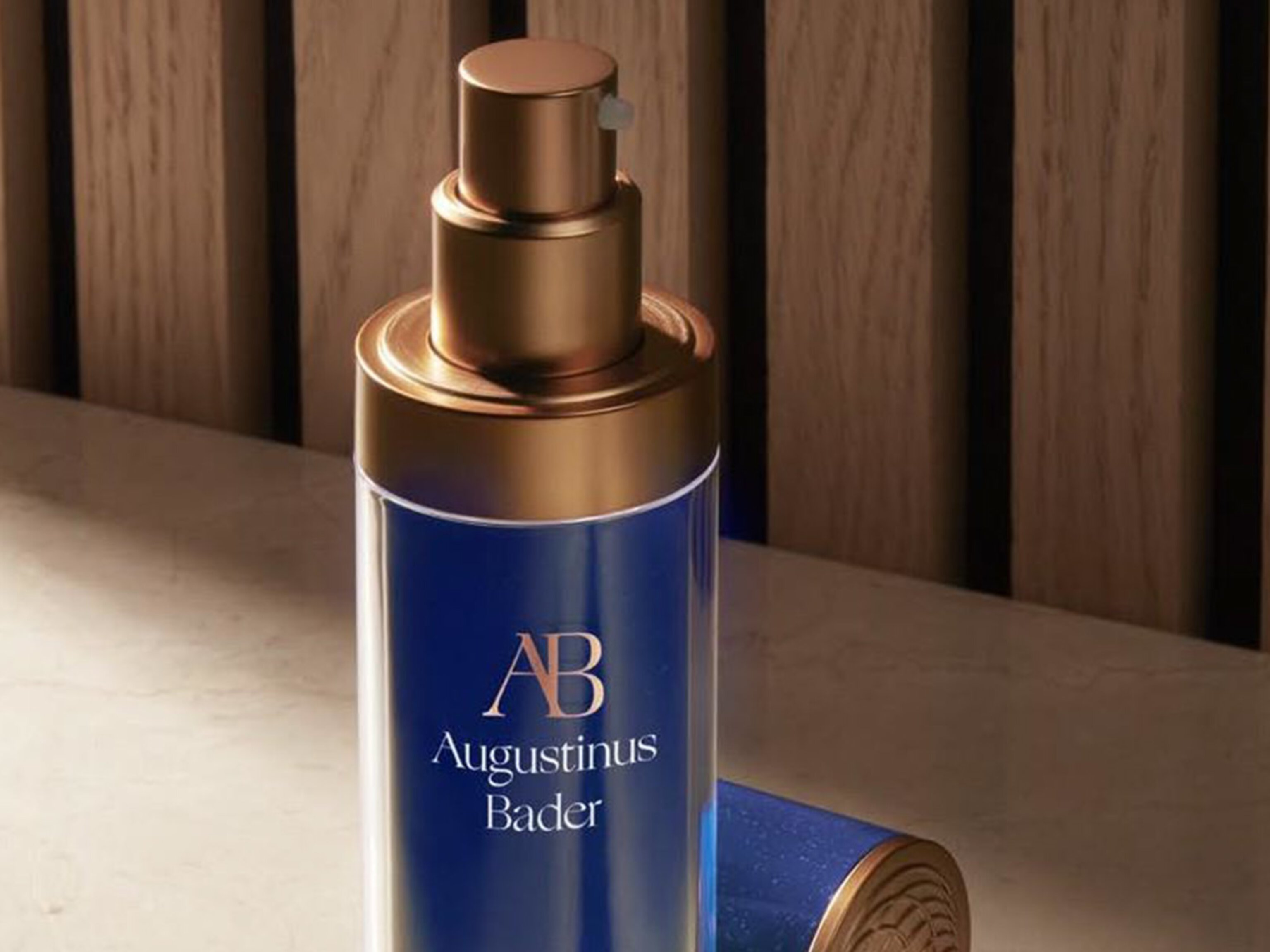
The Soothing Cream by Augustinus Bader provides the same supportive approach, combining black cumin oil, known for its anti-inflammatory properties, with niacinamide to help reduce redness and deeply hydrate the skin. Both formulas also contain shea butter, a naturally gentle emollient, to seal in moisture and ease tightness without irritating stressed skin.

Soothing treatment masks can provide an extra layer of relief – offering concentrated comfort while encouraging the skin to reset.
Valmont’s Regenerating Mask Treatment prioritises biocompatible ingredients to support natural recovery, pairing mineral-rich alpine water with collagen to help replenish skin when it feels depleted by stress. Its fragrance-free formulation further reduces the risk of irritation for hypersensitised skin. For a more neuro-cosmetic approach, the Whitening Mask NeuroRELAX by NIANCE is designed to help counter visible stress responses, releasing calming neuropeptides to support skin comfort and resilience.

Restore Balance to Stress-Triggered Breakouts

Alongside inflammation, stress can also disrupt the skin’s oil regulation often leading to breakouts that behave differently to those triggered by traditional congestion. As Dr Barbara Sturm, founder of Dr Barbara Sturm and expert in anti-inflammatory skincare, explains, “Cortisol up-regulates the production of excess sebum, leading to breakouts and acne.”


Stress also affects the skin via the nervous system, as Qiu adds: “When we’re stressed, the central nervous system releases neuropeptides,” which increase sebum production, enlarge pores and contribute to oily skin and breakouts. Stress-triggered breakouts are hormonal, rather than the result of surface congestion alone.

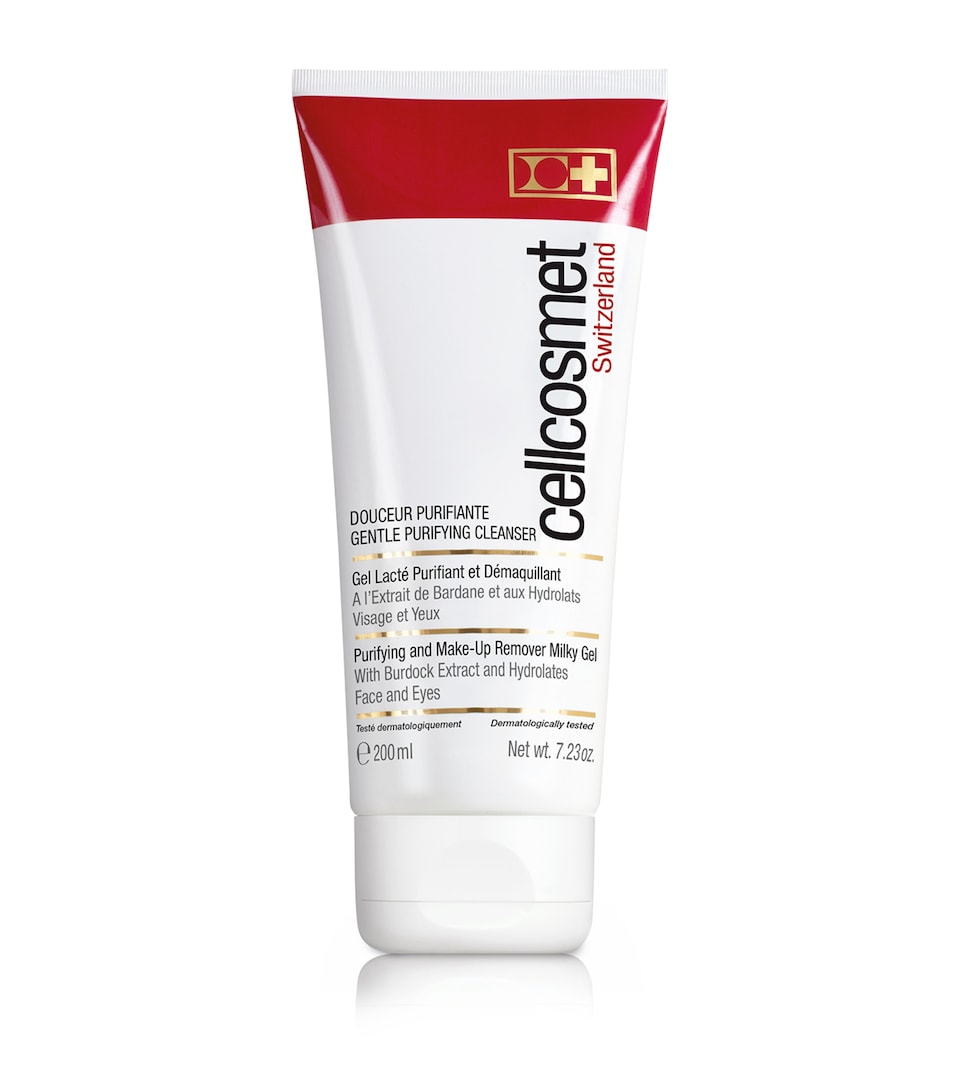
When breakouts appear, it can be tempting to over-cleanse in an effort to regain control. However, as Dr Christine Hall, GP, emergency medicine doctor and aesthetic physician, reminds us, “Stressed skin heals more slowly – it is important that formulas combine soothing, protective and reparative ingredients to maintain balance”. Gentler cleansing choices are essential here. Cellcosmet’s Gentle Purifying Cleanser uses mild surfactants to cleanse thoroughly without stripping the skin, while copper PCA helps regulate oil without disrupting barrier lipids. The smart formula also enlists purifying botanicals such as witch hazel and yellow sweet clover to help soothe active breakouts.

Treating stress-triggered breakouts effectively is less about stripping the skin and more about restoring balance with tailored, supportive formulas.
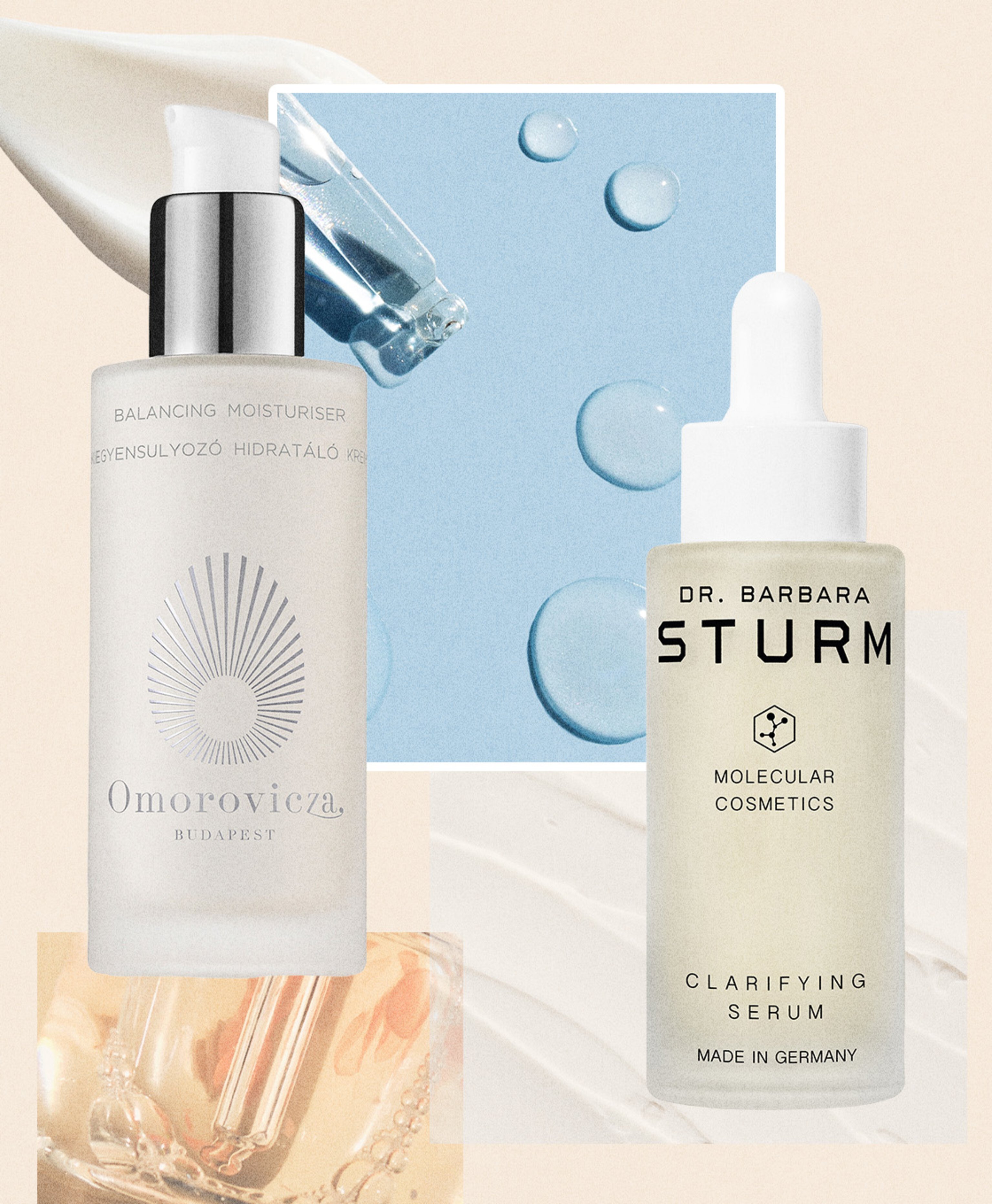
The Clarifying Serum by Dr Barbara Sturm uses zinc PCA and plant-derived actives to help regulate excess oil and support blemish healing without overwhelming stressed skin. For a more targeted intervention, Murad’s Outsmart Blemish Clarifying Treatment clarifies pores and reduces excess oil without the drying sensation often associated with stronger acne formulas, enlisting gentle botanical extracts to help soothe and hydrate the skin.

Lightweight gel or lotion moisturisers also play an important role, helping replenish hydration without blocking pores or contributing to surface shine.
SkinCyclesBio-Balance Moisturiser prioritises microbiome balance and barrier support, using probiotic-derived ferments to help strengthen the skin’s natural defences and support breakout regulation. For those seeking oil control and pore refinement, the Balancing Moisturiser by Omorovicza harnesses Hungarian thermal water and minerals to help regulate sebum while delivering lightweight hydration – ideal when stress drives excess oil production.

Rebuild the Skin Barrier

When skin is under prolonged stress, restoring balance isn’t just about calming flare-ups it’s about rebuilding the structures that keep skin resilient. “A healthy, functioning barrier helps to prevent excessive water loss, calm immune overreaction and block irritants” explains Qiu. Once initial inflammation is soothed, barrier repair is key this allows skin to recover even while stress is ongoing.

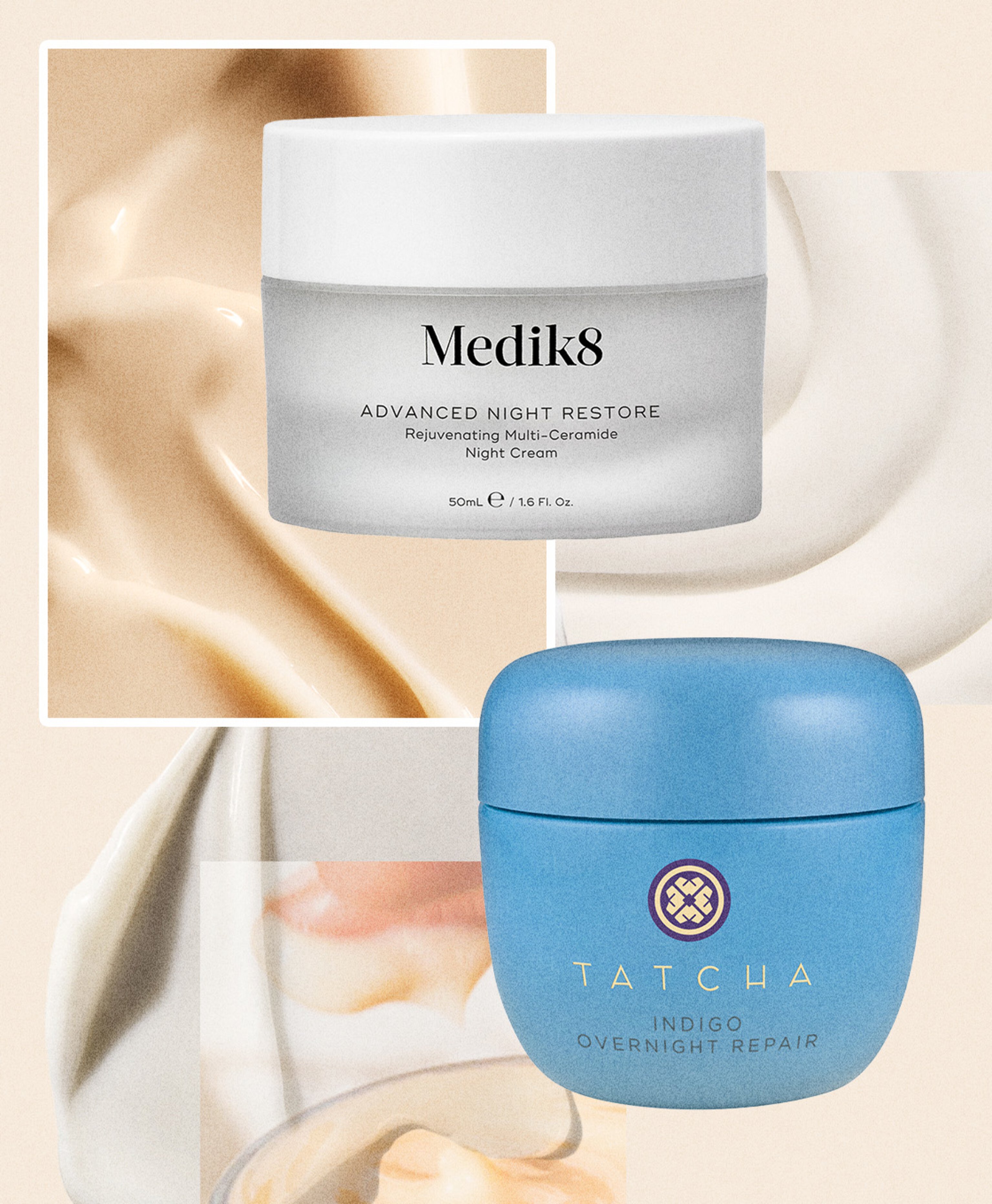
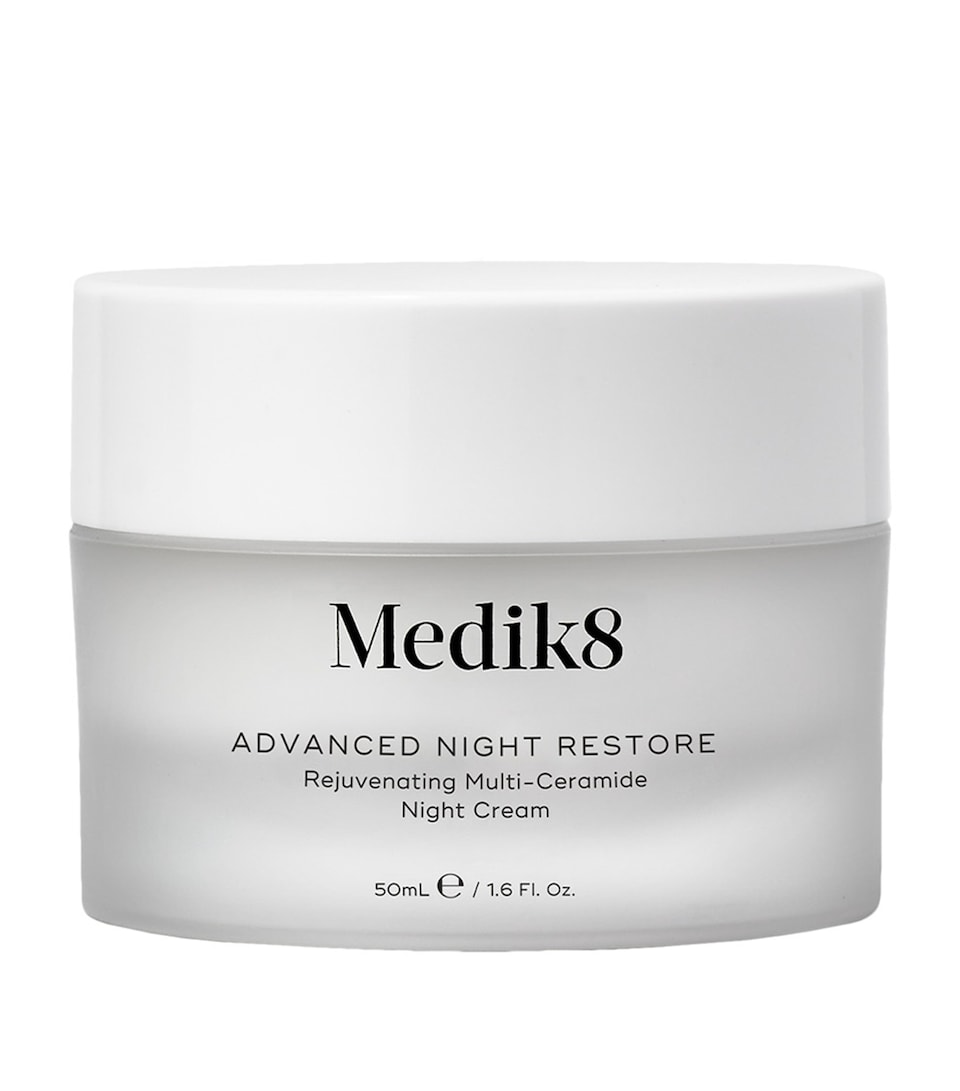
For Sturm, the solution lies in “intelligent formulations that strengthen the skin barrier and support the skin’s natural healing processes”, with ingredients such as lipid-replenishing ceramides, moisture-binding humectants and barrier-mimicking oils becoming especially important during periods of stress. Night-time is when the skin’s repair processes are most active, making evening formulas particularly effective for supporting barrier recovery. Medik8’s Advanced Night Restore is formulated with ceramides, squalane and linoleic acid to help replicate the skin’s natural lipids, while glycerin supports overnight hydration – ideal for when the barrier is compromised.

For targeted overnight support, look to intensive masks like
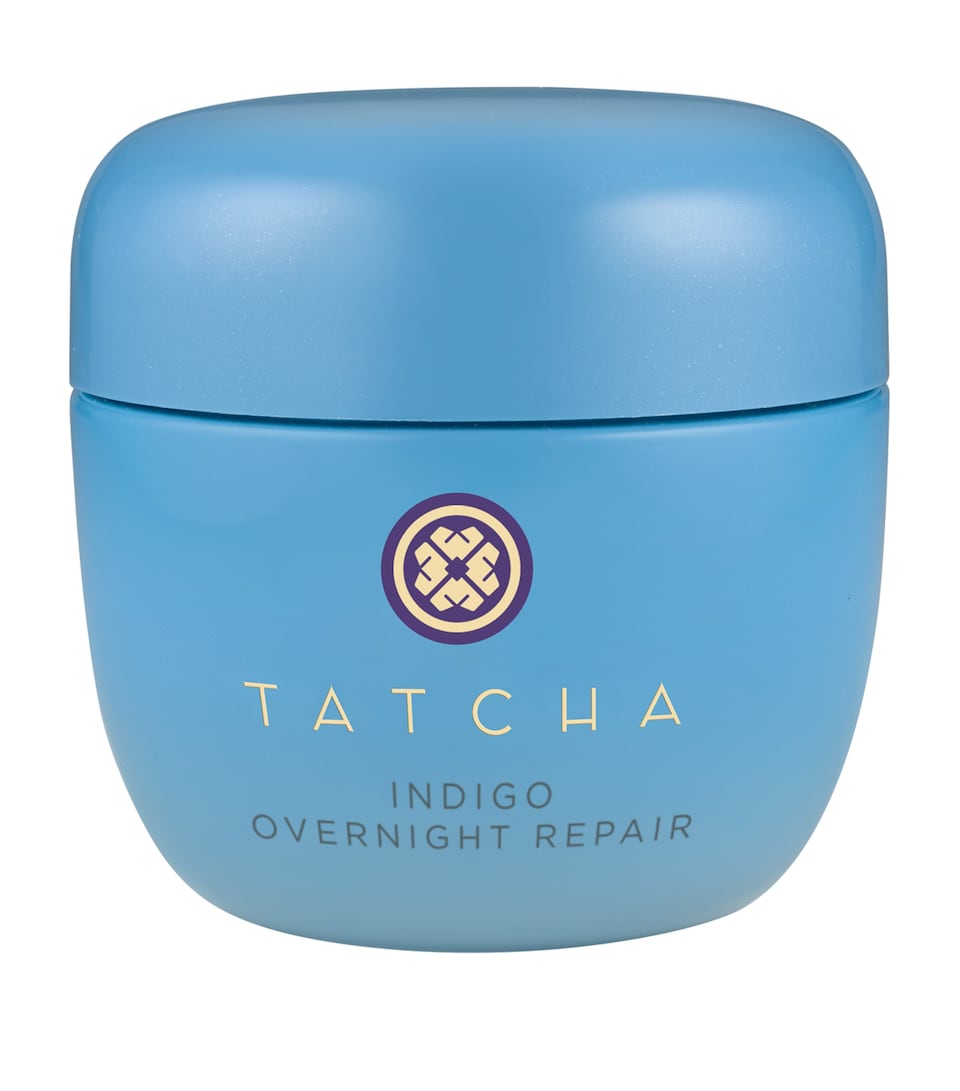
The Indigo Overnight Repair by Tatcha, which takes a soothing-first approach, reinforcing the barrier through microbiome balance. Its fragrance-free, fermented ingredients help support the skin’s natural ecosystem, while antioxidant vitamin E adds a protective layer – particularly beneficial when stress is causing sensitivity and irritation. To address barrier weakness at a more structural level, RéVive’s Rescue Balm Overnight Mask uses multiple ceramides to replenish the skin’s lipid matrix, alongside squalane and peptides to help reinforce barrier architecture and resilience.

Daytime barrier support is just as important for consolidating recovery. As Annee de Mamiel, expert integrated facialist, notes, “during the day, we’re supporting the skin’s defensive functions for barrier integrity and protection against oxidative stress.” If you're looking for daily resilience and defensive support,
111Skin’s Repair Day Cream NAC Y² is formulated with glycerin and hydrating humectants to attract and retain moisture, alongside its NAC Y² complex, which supports skin as it copes with ongoing environmental and emotional stressors. If your priority is nourishment and improved skin comfort, Skin Design London’s Alpine Rose Glow Crème combines plant-derived hyaluronic acid with glycerin, argan oil and jojoba oil to deeply moisturise and soften stressed skin, while peptides help bolster skin structure and reinforce barrier integrity over time.
Frequently Asked Questions

Yes. Even with a consistent routine, stress can influence how skin behaves by triggering hormonal and nervous system changes that affect oil production, sensitivity and hydration. During periods of stress, skin may respond differently to products that previously worked well, making gentle, balancing formulas that support repair rather than interfere especially important.

Not necessarily, but it’s worth reconsidering the type of actives you’re using. During periods of stress, skin is often more reactive to intense ingredients such as retinoids and may respond better to gentler, plant-derived actives that support balance without overstimulation. Prioritising hydration and comfort first can help create the right conditions before reintroducing more potent actives.

This varies depending on skin type and individual concerns, but stressed skin tends to respond best to consistent, patient care. Comfort and hydration can improve relatively quickly with a few considered routine adjustments, while improvements in texture, clarity and breakouts typically build over several weeks with ongoing, supportive care.

Related Stories

The Energy State: Beauty Rituals for Cellular Renewal

The Alpine Edit: Skincare Heroes for Skiing

Harrods Stories

Bringing you a weekly dose of everything from pro-approved beauty buys to the season's must-try trends